
What you wear is one of the fastest ways people form an impression of you, but it is not “just fashion.” Clothing choices are visual signals that can communicate mood, role, values, and belonging in seconds.
This article explains clothing aesthetics in practical terms: what they are, how they work, and how to build an aesthetic that fits your life without overbuying or feeling boxed in.
What “clothing aesthetics” really mean
Clothing aesthetics are coherent patterns in how garments look together: silhouette, color, texture, and cultural references. An aesthetic can be obvious (e.g., monochrome minimalism) or subtle (e.g., classic fits with one playful detail), but it becomes recognizable when the same visual “rules” repeat.
Think of aesthetics as a design language. The same white shirt can read differently depending on cut and context: an oversized Oxford with wide trousers suggests relaxed modernity; a fitted poplin with a blazer signals formality; a cropped shirt with high-rise denim feels youthful.
Aesthetics also live on a spectrum rather than in boxes. Most people blend 2–3 influences: a “work core” base with weekend streetwear, or romantic details mixed into utilitarian basics. This mix often looks more personal than trying to mirror a single trend.
The building blocks: silhouette, color, and texture
Silhouette is usually the strongest driver of perception because it changes your outline. Wide-leg trousers and a fitted top read differently from slim pants and a boxy jacket, even in the same color. A useful rule is to balance volume: if one piece is oversized, keep another piece more structured so the outfit looks intentional rather than accidental.
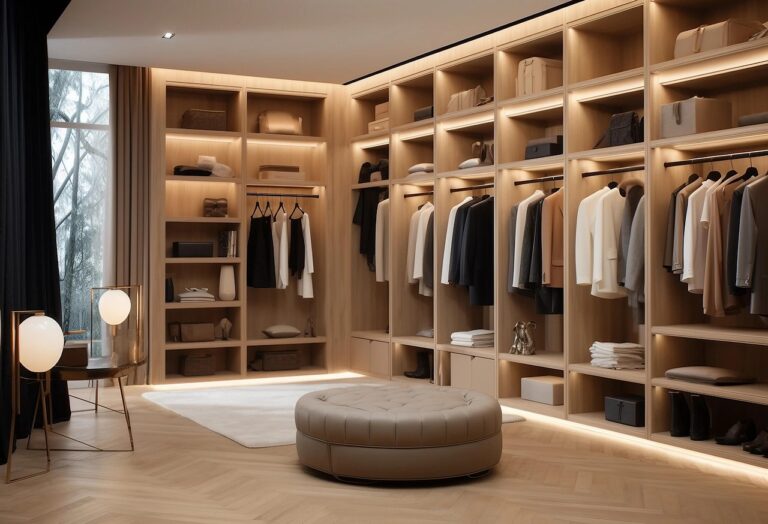
Color creates mood and clarity. A tight palette (for example, 3–5 core neutrals plus 1–2 accent colors) makes outfits easier to assemble and reduces “closet friction.” High-contrast combinations (black/white, navy/cream) look crisp and graphic; low-contrast combinations (beige/taupe/ivory) feel softer and often read as “elevated” because the eye focuses on fabric and shape.
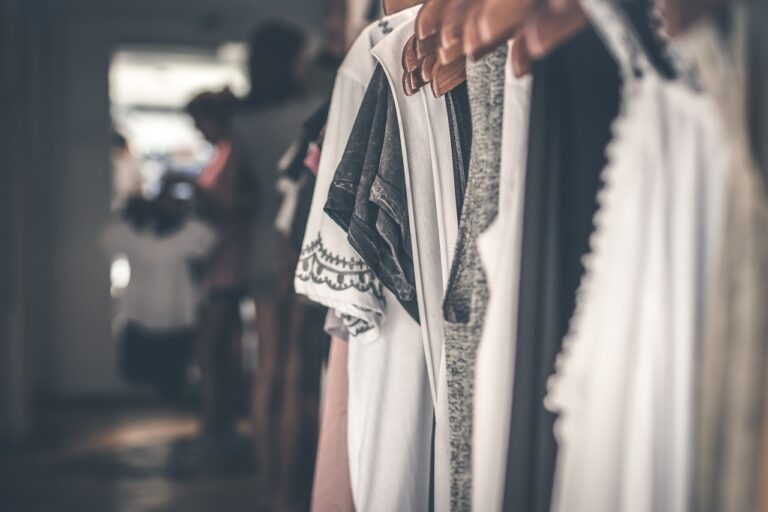
Texture and fabric finish add depth that photos do not always show. Matte cotton, shiny satin, fuzzy knits, and crisp wool send different signals: utility, glamour, comfort, and authority. Small texture contrasts—like denim with a fine-gauge knit, or leather with a soft shirt—can make simple outfits look styled without adding more items.
How to shape an aesthetic that fits real life
Start with function, then style. List your weekly settings (commute, office, childcare, gym, evenings) and estimate how often each happens. Many closets fail because they are built for an imagined life: too many “going out” pieces and not enough outfits for the 70–80% of days that are routine.
Next, define your “non-negotiables” in comfort and practicality. If you walk a lot, footwear dictates the aesthetic more than a top does; if you hate dry-cleaning, fabrics matter more than silhouettes. Clothing aesthetics that survive beyond a season usually align with real constraints: climate, movement, sensory comfort, and budget.
A simple method: the 3-2-1 outfit map
Pick 3 base colors you can repeat, 2 silhouettes you like on your body (for example, straight-leg + wide-leg, or fitted top + relaxed outerwear), and 1 signature element (a metal tone, a scarf style, a structured bag shape, or a consistent neckline). This keeps your look cohesive while still letting you vary patterns and trends.
Trends, identity, and the ethics of buying less
Trends can be useful when you treat them like seasoning, not the meal. Add trend through one visible piece (a shoe shape, a bag proportion, a current color) while keeping the rest grounded in your core aesthetic. This reduces regret purchases because your outfit still “sounds like you” even when the trend fades.
Clothing aesthetics also intersect with identity and community. Subcultures, professions, and regions develop shared visual codes—sometimes for belonging, sometimes for safety, sometimes for signaling expertise. Being aware of those codes helps you decide when to lean in (for connection) and when to step out (for individuality).
Buying less is often the most effective way to sharpen an aesthetic. When you limit new additions, you are forced to repeat and refine combinations, which is how coherence develops. A practical guideline is to prioritize cost-per-wear over novelty: one well-fitting jacket worn 50 times is usually more “aesthetic” than five impulse tops worn once. Secondhand shopping, tailoring, and basic repairs (button replacement, hemming) can extend the life and quality of what you already own.
Conclusion
Clothing aesthetics are not about chasing a label; they are about consistent choices in shape, color, and texture that fit your daily life. Build around function, repeat a few clear rules, and use trends sparingly to keep your style both personal and sustainable.